PCOS and Insulin Resistance: Why You Need a Naturopath

By Dr. Maria Wong, ND | Women’s Health & Hormone Focussed | Mississauga & Virtual (Ontario-wide)

PCOS and Insulin Resistance

You’ve been told you have PCOS. Maybe you were handed a diagnosis after an ultrasound showing cystic follicles, or after bloodwork flagged elevated androgens, or simply because your periods have never been regular. Maybe you were put on the pill and sent on your way.

What you may not have been told is this: for the majority of women with PCOS, insulin resistance is not a side effect of the condition – it is one of its central drivers. And if that piece isn’t addressed, managing PCOS symptoms becomes significanetly harder, regardless of what else you try.

This is one of the most important things I discuss with PCOS patients in my Naturopath practice. It’s also one of the most under-explained.

First, what is PCOS actually?

Polycystic ovary syndrome is the most common hormonal condition affecting women of reproductive age, estimated to affect roughly 1 in 10 women. Despite the name, you don’t actually need polycystic ovaries to have PCOS – the diagnosis is based on the Rotterdam criteria, which requires at least two of the following three features:

  • Irregular or absent ovulation (which typically causes irregular periods)
  • Elevated androgens (male hormones like testosterone) – either on bloodwork or through symptoms like acne, excess hair growth, or hair thinning
  • Polycystic ovaries on ultrasound

PCOS is also not one single condition – there are different subtypes, and what drives one woman’s PCOS may not be the same as another’s. This is part of why a one-size-fits-all approach rarely works well.

What is insulin resistance – and why does it matter for PCOS?

Insulin is a hormone produced by the pancreas. Its job is to act like a key – unlocking your cells so they can take in glucose from the bloodstream and use it for energy. When everything is working well, this system is responsive and efficient.

Insulin resistance means the lock has become harder to turn. Your cells stop responding to insulin as effectively, so the pancreas has to produce more and more of it to get the same result. Blood glucose may still look normal on standard testing – but insulin levels are elevated, working overtime behind the scenes.

Here’s where it connects directly to PCOS: elevated insulin directly stimulates the ovaries to produce more androgens – particularly testosterone. It also suppresses a protein called SHBG (sex hormone binding globulin), which normally binds to testosterone and keeps it in check. Less SHBG means more free, active testosterone circulating in the body.

The result is a hormonal environment that drives many of the most frustrating PCOS symptoms: acne, excess facial or body hair, hair thinning at the scalp, irregular ovulation, and difficulty with weight – especially around the midsection.

Why PCOS testing often misses insulin resistance

This is where many women fall through the cracks. The standard test for blood sugar is a fasting glucose – and it can look completely normal even when insulin resistance is well established. That’s because the body is compensating: it’s producing enough extra insulin to keep glucose levels in range, but it’s doing so at a cost.

A fasting insulin level, or better yet a fasting glucose-to-insulin ratio, gives a much clearer picture. An HbA1c (three-month average blood sugar) can also be helpful, though it too can appear normal in the early stages of insulin resistance.

In my practice, I routinely include a blood test called the “2 hour insulin glucose challenge” alongside the standard PCOS bloodwork – because if we don’t look for it, we won’t find it, and we’ll be treating symptoms without addressing the underlying driver.

Signs that insulin resistance may be part of your PCOS picture

Not all PCOS is driven by insulin resistance, but these signs suggest it may be playing a role for you:

  • Weight gain that concentrates around the abdomen, or difficulty losing weight despite genuine effort
  • Strong carbohydrate cravings, particularly in the afternoon or after meals
  • Energy crashes after eating – feeling sleepy or foggy within an hour or two of a meal
  • Skin tags or darkening of skin in the folds of the neck, underarms, or groin (called acanthosis nigricans)
  • A family history of type 2 diabetes or metabolic syndrome
  • Worsening PCOS symptoms after periods of high stress, poor sleep, or dietary changes

If several of these resonate, it’s worth investigating – not because it changes your diagnosis, but because it changes how we approach treatment.

What can actually be done about it?

The good news is that insulin resistance is highly responsive to intervention – often more so than people expect. The approach I use in practice typically includes a combination of the following, tailored to the individual:

Dietary changes that actually make sense for PCOS and insulin resistance

This doesn’t mean a crash diet or cutting carbohydrates entirely. It means choosing carbohydrates that produce a slower, steadier insulin response – higher fibre, less refined, paired with adequate protein and fat. Meal timing and composition matter more than calorie counting for most PCOS patients.

I’m also careful here not to prescribe approaches that create an unhealthy relationship with food. PCOS already carries a higher risk of disordered eating patterns, and any dietary strategy needs to be sustainable and non-restrictive in spirit.

Movement – especially after meals

Exercise improves insulin sensitivity independently of weight loss – meaning you don’t have to lose weight first for it to work. Even a 10 to 15 minute walk after a meal has been shown to meaningfully blunt the post-meal insulin spike. Resistance training is particularly effective for improving muscle insulin sensitivity over time.

Targeted supplementation

Several nutrients and botanicals have good evidence for improving insulin sensitivity in PCOS specifically:

  • Inositol
  • Berberine
  • Magnesium
  • N-acetyl cysteine (NAC)

I want to be clear: supplementation works best as part of a broader strategy, not as a standalone fix. Dosing, form, and combinations matter – this isn’t an area where more is always better, and some supplements interact with medications or should not be taken long term without supervision. A conversation with a practitioner before starting is absolutely a must.

Sleep and stress – the overlooked drivers

Poor sleep and chronic stress both directly worsen insulin resistance through cortisol and other stress hormones. This is one reason why PCOS can feel like it cycles through better and worse periods – it often tracks with life stress and sleep quality. Addressing these isn’t just good general advice; for PCOS, it’s part of the clinical picture.

When to consider medication

For some women, particularly those with significant insulin resistance or who are trying to conceive and struggling with ovulation, metformin or other pharmaceutical options are a reasonable part of the plan. Naturopathic and conventional approaches are not mutually exclusive – I work alongside your GP or specialist, not instead of them.

The bigger picture: PCOS as a long-term health consideration

PCOS is not just a fertility or period problem. Untreated insulin resistance in PCOS is associated with a higher long-term risk of type 2 diabetes, cardiovascular disease, and metabolic syndrome. This is not meant to alarm – it’s meant to underscore why addressing it matters beyond symptom management.

Women with PCOS who address insulin resistance early – through lifestyle, supplementation, or medication where appropriate – significantly reduce these long-term risks. This is one of the most meaningful things you can do for your future health, and it’s entirely within reach.

Working with a naturopath for PCOS

If you’ve been diagnosed with PCOS and feel like the underlying picture hasn’t been fully explored – or if you’ve been managing symptoms without much success – a comprehensive naturopathic assessment can help fill in the gaps.

My approach to PCOS starts with proper lab work (including fasting insulin and a full hormone panel), a detailed look at your health history and symptoms, and a treatment plan that addresses what’s actually driving your individual presentation – not just the diagnosis on paper.

I see patients in-person in Mississauga and virtually for anyone in Ontario. If you’d like to learn more before booking, I also offer a free 15-minute meet and greet.

Book your appointment here – in-person (Mississauga) or virtual (anywhere in Ontario).

About Dr. Maria Wong, ND

Dr. Maria Wong is a naturopathic doctor practicing in Mississauga, Ontario, with a focus in women’s hormonal health – including PCOS, perimenopause, endometriosis, fertility, and PMS. She sees patients in-person in Mississauga and virtually for patients across Ontario. She is licensed by the College of Naturopaths of Ontario.

Am I in Perimenopause? 10 Signs Your Hormones Are Shifting

Perimenopause symptoms can be confusing, overwhelming, and easy to dismiss. Here’s how to recognize them.

perimenopause symptoms naturopath

By Dr. Maria Wong, ND | Women’s Health & Hormone Focussed | Mississauga & Virtual (Ontario-wide)

If you’ve been Googling perimenopause symptoms in Ontario, you’re not alone – and you’re probably not imagining things. You’re not quite yourself lately. Maybe you’re waking up at 3am for no obvious reason. Your mood shifts faster than it used to. You feel warmer than everyone else in the room. Your periods – once predictable – have become a guessing game.

You might be wondering: is this perimenopause? Or is it just stress? Thyroid? Getting older?

The honest answer: it could be any of these. But if you’re a woman in your late 30s or 40s and these changes are new, perimenopause is worth understanding – because recognizing it early gives you far more options than waiting until symptoms become overwhelming.

As a naturopathic doctor with a focus in women’s hormonal health, I see patients navigating this transition every week. Here’s what I want you to know.

What causes perimenopause symptoms?

Perimenopause is the hormonal transition leading up to menopause – the point when you’ve gone 12 consecutive months without a period. It typically begins in a woman’s mid-to-late 40s, but can start as early as the mid-30s.

During perimenopause, estrogen and progesterone levels don’t decline in a neat, steady line. They fluctuate – sometimes dramatically – and it’s these fluctuations, not just the decline itself, that cause many of the symptoms women find most disruptive.

Perimenopause can last anywhere from a few months to over a decade. That wide range is part of why it can be so confusing to recognize.

10 perimenopause symptoms to watch out for

1. Your periods have become unpredictable

This is often the earliest and most reliable sign. Cycles that were like clockwork start arriving earlier or later than expected. You might skip a month, then have two cycles close together. Flow can become heavier, lighter, shorter, or longer – sometimes all in the same year.

What’s happening: declining progesterone in the second half of your cycle is often the first hormonal shift to occur, disrupting the timing and quality of ovulation.

2. Sleep has become elusive

You fall asleep fine but wake between 2am and 4am, mind racing, unable to get back to sleep. Or you sleep through but wake exhausted. Night sweats – sudden heat and dampness that disrupt sleep – are common even before classic daytime hot flashes appear.

What’s happening: progesterone has a calming, sleep-promoting effect. As levels decline, sleep architecture changes – particularly the deep, restorative stages. Estrogen fluctuations also affect temperature regulation, contributing to night sweats.

3. Your mood feels less stable

Irritability that feels disproportionate to the situation. Anxiety that appears out of nowhere. A low-level sadness or flatness that doesn’t quite lift. Many women describe feeling emotionally “off” in a way that’s hard to articulate – and are often told it’s just stress.

What’s happening: estrogen has a significant influence on serotonin, dopamine, and GABA – neurotransmitters that regulate mood and anxiety. As estrogen fluctuates, so does the stability of these systems. This is not a mental health problem. It’s a hormonal one.

4. Brain fog and memory lapses

Forgetting words mid-sentence. Walking into a room and having no idea why. Struggling to focus in meetings that never used to bother you. Many women are alarmed by these cognitive changes – some fear early dementia. In most cases, it’s hormones.

What’s happening: estrogen plays an important role in memory consolidation and verbal fluency. Its decline affects cognitive performance, often transiently. Research suggests that for many women, cognitive symptoms improve once hormone levels stabilize post-menopause.

5. Hot flashes or sudden warmth

Sudden waves of heat through the chest, neck, and face – sometimes followed by chills or sweating. These can last 30 seconds or several minutes, and may happen a few times a day or much more frequently. Not everyone experiences dramatic hot flashes; some women notice only mild warmth or flushing.

What’s happening: estrogen helps regulate the hypothalamus, the brain’s thermostat. As levels decline and fluctuate, the thermostat becomes more sensitive – triggering the heat response more easily.

6. Changes in your cycle length or flow

Heavier periods with more clotting than before. Or the opposite – light spotting where there used to be a full flow. Cycles shortening to 21 or 22 days. Premenstrual symptoms becoming more intense than they were in your 30s.

What’s happening: anovulatory cycles (cycles where no egg is released) become more frequent during perimenopause. Without ovulation, progesterone isn’t produced in the second half of the cycle, leading to estrogen dominance – which often causes heavier, more symptomatic periods.

7. Vaginal dryness or discomfort

Dryness, irritation, or discomfort during sex. Changes in vaginal tissue that make intercourse uncomfortable for the first time. Increased susceptibility to urinary tract infections. These symptoms are common and treatable – yet many women don’t mention them to their healthcare providers because they’re embarrassed or assume they’re inevitable.

They’re not inevitable. There are effective options, and this is worth discussing openly.

8. Weight changes – especially around the midsection

Weight gain that seems to concentrate around the abdomen despite no significant changes in diet or exercise. A feeling that your metabolism has simply slowed down. Difficulty losing weight using approaches that worked before.

What’s happening: estrogen influences where fat is stored. As levels decline, fat redistribution from the hips and thighs to the abdomen is common. Cortisol sensitivity also changes, making stress-related weight gain more pronounced.

9. Low libido or changes in sexual desire

A reduction in interest in sex that feels different from simply being tired or stressed. Changes in arousal or physical sensation. This is one of the most common perimenopausal symptoms and one of the least talked about – in large part because women are often told to just expect it as they age.

Hormones – particularly testosterone (yes, women produce testosterone too) and estrogen – play a direct role in libido. Addressing the hormonal component can make a meaningful difference.

10. Fatigue that sleep doesn’t fix

A bone-deep tiredness that persists even on days when you’ve slept reasonably well. Energy crashes in the afternoon. Feeling depleted by things that used to be manageable. This kind of fatigue has a hormonal component – but it can also be compounded by poor sleep, thyroid changes (which are common in perimenopause), and adrenal stress.

Ruling out thyroid dysfunction is important here – hypothyroidism and perimenopause share several symptoms and frequently co-occur.

What to do when perimenopause symptoms appear

The first step is getting clarity. Many of these symptoms are genuinely caused by perimenopause – but some can have other contributors, including thyroid issues, nutritional deficiencies, sleep disorders, or adrenal dysfunction. A thorough assessment matters.

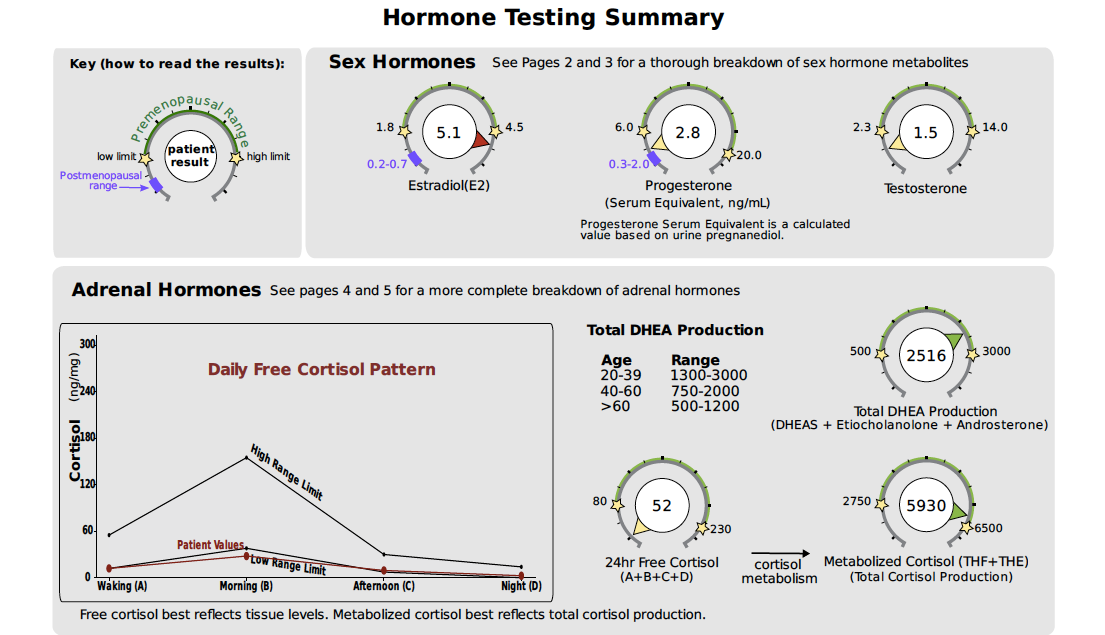
As a naturopathic doctor in Ontario, my approach to perimenopause symptoms starts with understanding the full picture: a detailed health history, the right lab testing (which may include blood hormone panels or comprehensive urine hormone testing like the DUTCH test or Mira hormone monitor), and an honest conversation about your goals, concerns, and what you’re willing to consider.

From there, treatment options range from foundational lifestyle and nutritional strategies, to targeted supplementation and herbal medicine or acupuncture, to bioidentical hormone replacement therapy (BHRT) for women whose symptoms are significantly affecting quality of life.

There is no single right approach. What works depends on your individual hormonal picture, your health history, your values, and your symptoms. What I can tell you is that you don’t have to white-knuckle your way through this transition. There are options, and the earlier you understand what’s happening, the more of them you have.

Note: Bioidentical hormones for perimenopause symptoms in Ontario

One question I hear often: can a naturopath in Ontario actually prescribe hormones for perimenopause symptoms? The answer is yes – naturopathic doctors who have completed the additional prescribing examination are licensed to prescribe bioidentical hormones, including topical estrogen and progesterone.

Bioidentical hormones are structurally identical to the hormones your body produces naturally. They differ from conventional synthetic hormone therapy in their molecular structure, and many women – and practitioners – prefer them for that reason. BHRT is not appropriate for everyone, and it’s not something I prescribe without proper assessment and monitoring. But for the right candidate, it can be genuinely life-changing.

If you’re curious about whether BHRT might be relevant for you, that’s a conversation worth having.

Ready to get some answers?

I see patients for perimenopause symptoms in-person in Mississauga and virtually for anyone in Ontario. If several of the signs above resonated with you and you’d like to understand what’s actually going on with your hormones, I’d encourage you to book a consultation.

I also offer a free 15-minute meet and greet for new patients in Ontario who want to learn more about my approach to perimenopause symptoms before committing to a full visit. It’s a no-pressure conversation – and often, it’s the first time someone has felt genuinely heard about what they’ve been experiencing.

Book your appointment here – in-person (Mississauga) or virtual (anywhere in Ontario).

About Dr. Maria Wong, ND

Dr. Maria Wong is a naturopathic doctor practicing in Mississauga, Ontario, with a focus in women’s hormonal health – including perimenopause symptoms, PCOS, endometriosis, fertility, and PMS. She sees patients in-person in Mississauga and virtually for patients across Ontario. She is licensed by the College of Naturopaths of Ontario and has prescribing authority for bioidentical hormone therapy.